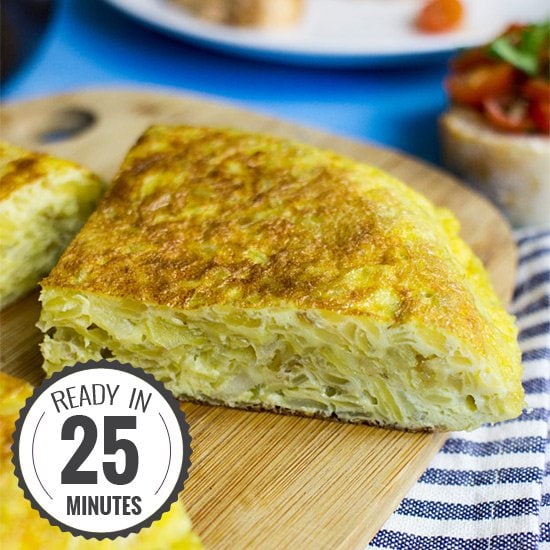
Unlock the Secret to a Speedy, Savory Quick Spanish Omelette
The Spanish omelette, or *Tortilla Española*, stands as a culinary monument – a seemingly simple dish that embodies the heart of Spanish cuisine. Traditionally, achieving its golden exterior and moist, yielding interior required patience, skill, and a generous amount of oil. But what if we told you there’s a way to capture that authentic, glorious flavor in a fraction of the time, making a truly
quick spanish omelette without sacrificing its soul?
We tasked our culinary friend with this challenge, and the result is nothing short of brilliant. She delivered a version that’s not only faster and lighter but also retains every bit of the traditional feeling we adore. This isn't just a recipe; it's an innovation designed for modern kitchens and busy lives, proving that timeless classics can indeed evolve. If you're eager to dive deeper into the basics, make sure to check out
quick spanish omelette - Article 1 for foundational insights.
The Genius Behind Our Quick Spanish Omelette Innovation
Our approach to the
quick spanish omelette rethinks certain elements of the classic preparation, all while respecting its core identity. The goal was simple: superior taste, less time, fewer calories.
Revolutionizing the Oil Content
One of the most noticeable differences in our version is the significantly reduced amount of oil used. Traditional Spanish omelettes often involve shallow-frying the potatoes and onions in a substantial pool of olive oil, contributing to a higher calorie count. While that method yields incredible flavor, we've found that with careful technique and smart ingredient preparation, you can achieve a wonderfully rich taste with much less oil. This makes our quick spanish omelette a healthier option, appealing to those who appreciate authentic flavors but also prioritize a lighter meal. It's about smart cooking, not compromise.
The Grated Potato Game-Changer
The biggest innovation that shaves off significant cooking time is how we handle the potatoes. Instead of thinly slicing them and frying them for an extended period, we grate them. This might raise an eyebrow among purists, but hear us out: grating vastly increases the surface area of the potato, allowing it to cook much faster. What would typically take 15-20 minutes in a pan, reducing to a tender submission, now takes a mere seven minutes. It's incredibly practical and efficient, making the "quick" in our
quick spanish omelette truly earned.
Of course, if a grater isn't at hand, or if you simply prefer the texture of sliced potatoes, don't fret! You can absolutely revert to cutting them into thin slices. Just be prepared to extend their frying time to about fifteen minutes to ensure they're perfectly tender before mixing with the eggs and onions. The beauty of cooking is its flexibility, and this recipe is no exception.
To Peel or Not to Peel: A Potato Predicament
The question of peeling potatoes is a classic culinary debate, and when it comes to our
quick spanish omelette, the decision is entirely yours. Many home cooks opt to peel for a smoother texture, while others prefer to leave the skins on, valuing the extra fiber and nutrients found just beneath the surface. If you choose to leave the peel, ensure your potatoes are thoroughly scrubbed clean. For a deeper dive into the topic of potato peeling and its implications for various dishes, you might find our discussions in other recipes, like our vegan potato soup, quite enlightening. Ultimately, the choice comes down to personal preference and the desired aesthetic of your omelette.
Mastering the Flip: Tips for a Perfect, Moist Omelette
While our
quick spanish omelette streamlines the process, certain steps remain crucial for achieving that characteristic soft, moist interior and beautifully firm exterior.
The Art of Low Heat and Precise Timing
The actual cooking of the egg-potato-onion mixture in the pan is where patience, albeit brief, truly pays off. The key here is *low heat*. Once your mixture is in the pan, allow it to cook undisturbed for about five minutes. This initial phase is vital for the outside to set and firm up, creating a stable base that makes the subsequent flip possible.
After the initial five minutes, it's time for the famous flip. With a confident hand and a plate slightly larger than your frying pan, invert the omelette, then slide it back into the pan to cook the other side. This second stage also requires approximately five minutes on low heat. Why low heat? It’s paramount for preventing the omelette from drying out. High heat will cook the exterior too quickly, potentially burning it, while leaving the inside raw or, worse, turning it into a rubbery, dry consistency. The goal is a soft, moist, and utterly delicious interior – a hallmark of any great Spanish omelette, quick or traditional. Keeping a close eye on the clock during these stages is simple yet absolutely essential for success.
Embracing the Zen of Cooking
The classic Spanish omelette, despite its few and simple ingredients, demands a certain skill and intuition to get "just right." While our
quick spanish omelette recipe simplifies the process, it still benefits from a mindful approach. Think of it as a culinary meditation. If you're keen to master the nuances, especially concerning heat levels and cooking times, we always recommend learning from experienced chefs. Their insights can elevate your technique, though our version promises delicious results even for beginners. Don't worry if your first attempt isn't textbook perfect; culinary mastery is a journey, and every quick spanish omelette you make will bring you closer to perfection.
Essential Tools and Mindset for Your Culinary Adventure
Having the right equipment and a positive attitude can make all the difference in your kitchen.
Choosing Your Frying Pan Wisely
For our
quick spanish omelette, we found a 20 cm (approximately 7.8 inch) frying pan to be ideal. This size typically yields an omelette with the delightful thickness that Spanish style omelettes are famous for. However, don't let pan size deter you. A larger frying pan is perfectly fine; your omelette will simply be a bit thinner. This isn't a drawback, just a different presentation, equally delicious! The most crucial feature of your pan, regardless of size, is a good non-stick surface. This will make the crucial flip much easier and ensure your quick spanish omelette slides out effortlessly.
Patience and Practice Make Perfect
Cooking, especially when aiming for a specific texture like the moist interior of a Spanish omelette, is as much about feel as it is about following instructions. Don't be afraid to experiment a little, and most importantly, don't be discouraged if your first attempt isn't exactly what you envisioned. The beauty of home cooking lies in the journey and the lessons learned with each dish. We promise, our version of the
quick spanish omelette will be absolutely delicious, even if it doesn't look exactly like a photo from a Spanish cookbook. For more advanced techniques and troubleshooting, you might want to consult
quick spanish omelette - Article 3 for expert advice.
Beyond the Basics: Serving Suggestions & Variations
Once you've mastered the art of the
quick spanish omelette, you might wonder about elevating the experience further. This versatile dish shines in many contexts.
Typically served warm or at room temperature, a Spanish omelette is fantastic on its own as a light meal. Pair it with a simple green salad dressed with a vinaigrette, some crusty bread for dipping into any residual olive oil, or a dollop of homemade aioli for an extra layer of flavor. It makes for an excellent breakfast, a hearty brunch centerpiece, or even a sophisticated addition to a tapas spread.
While the beauty of the Spanish omelette lies in its simplicity, a few respectful additions can introduce delightful variations. Consider folding in a handful of finely diced, sautéed bell peppers for a touch of sweetness and color. A small amount of crumbled chorizo, cooked until crispy, can add a wonderful smoky depth. For a cheesy twist, sprinkle in some grated Manchego during the final moments of cooking. A scattering of fresh parsley or chives before serving can also brighten the flavors. Remember, these are enhancements, not deviations from the core goodness of a quick spanish omelette.
Conclusion
Our
quick spanish omelette offers a fresh perspective on a beloved classic. By innovating with simple techniques like grating potatoes and consciously reducing oil, we’ve created a recipe that is not only faster and healthier but also delivers on the promise of authentic Spanish flavor and a wonderfully moist texture. It’s a testament to the idea that tradition can be honored and adapted for the demands of modern life. So gather your few, simple ingredients, take a deep breath, and embark on this delightful culinary adventure. Good luck, and most importantly, enjoy every delicious bite of your homemade quick spanish omelette!